
© Leaping Frog Consulting Services | All rights reserved.
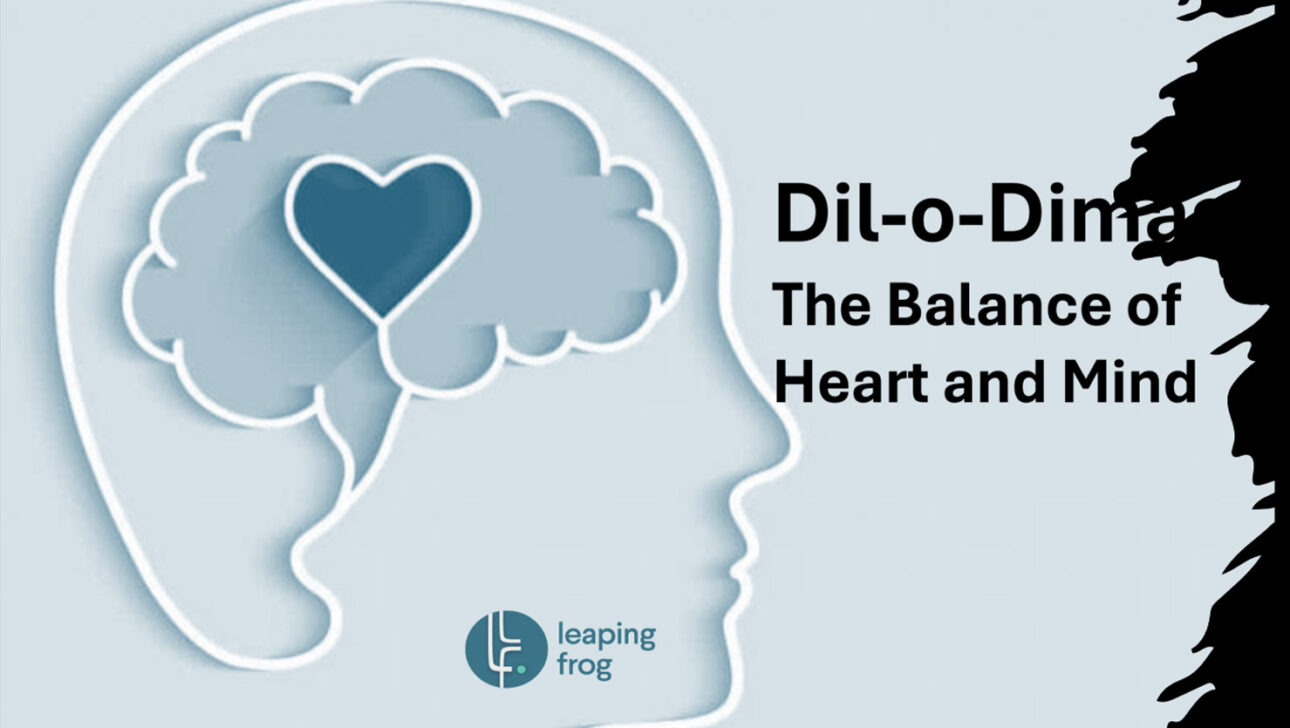
Why the Life of an Organization Cannot Be Explained by Structure Alone In leadership meetings, discussions about organizations typically begin with structure, strategy, targets, systems, processes, and financial effects. The underlying assumption is simple: a well-organized organization will achieve strong performance. Structure is often considered the foundation. Is this sufficient, though? This perspective holds some

I was recently seated inside an aircraft waiting for takeoff. The aircraft had pushed back and was positioned just outside the bay. The engines were running, yet we remained stationary, not yet on the taxiway. The cabin crew sat at their designated stations. Silence emanated from the cockpit. Passengers engaged in typical behaviors – checking
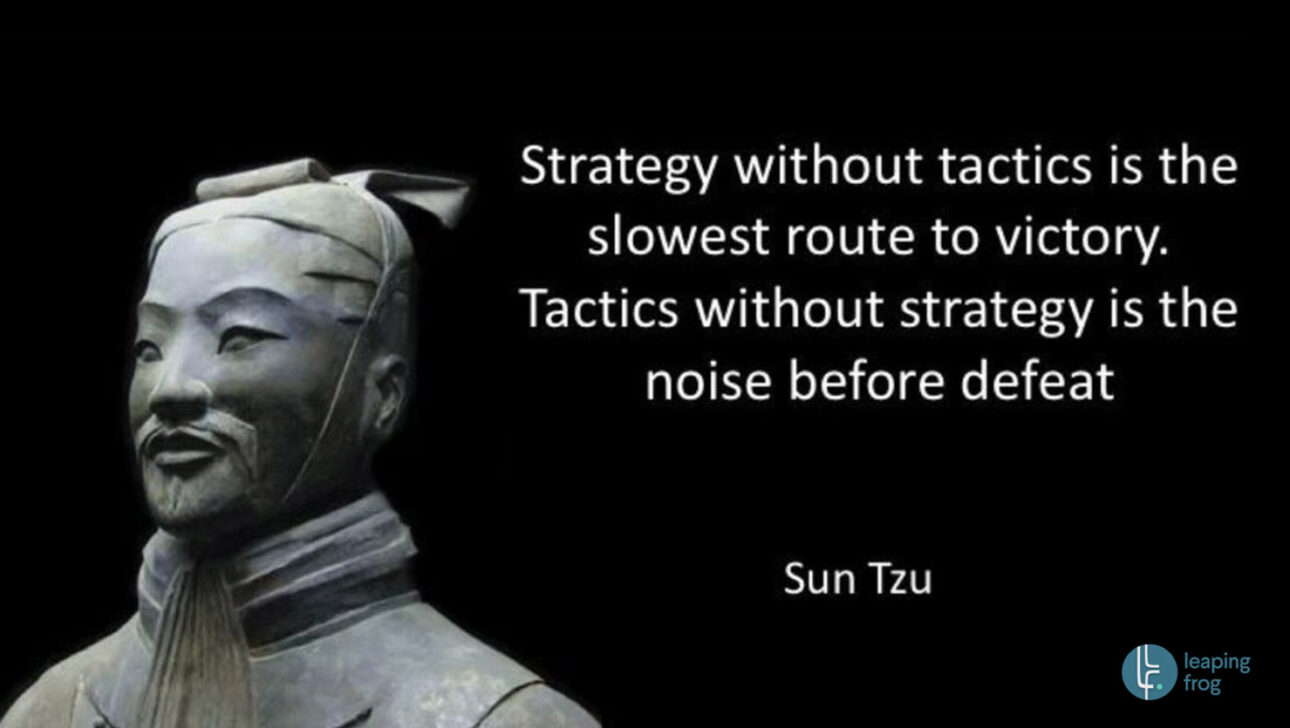
Recently, while working with a client, I kept hearing the same thing. “We need to put some tactical things in place. And we need to do it fast.” They wanted new policies, processes, and ways of working. The main focus was always on moving quickly and getting things done. I understood why they felt urgent.
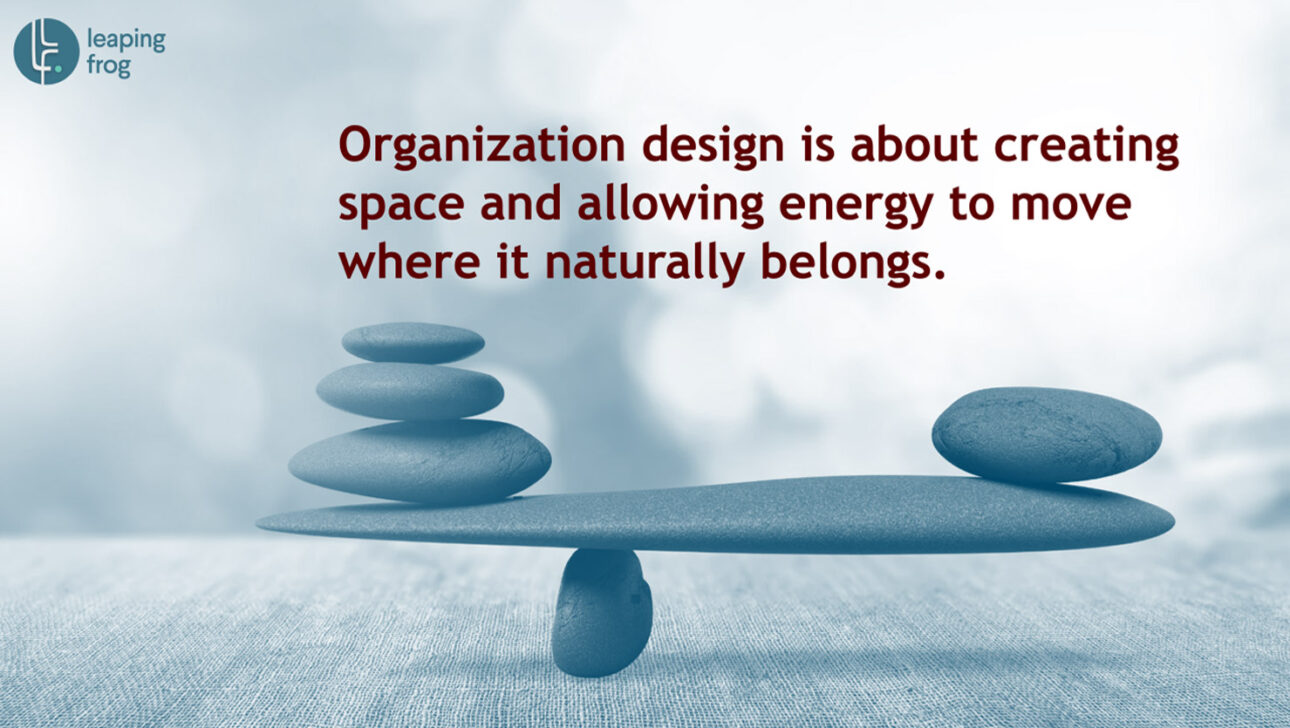
I am not an expert in Vastushastra, nor have I personally explored it. However, based on what I have read and from experts on the subject, I understand that it mainly deals with the flow of energy, that a space can hold energy. When you walk into a room that feels light, open, and balanced,
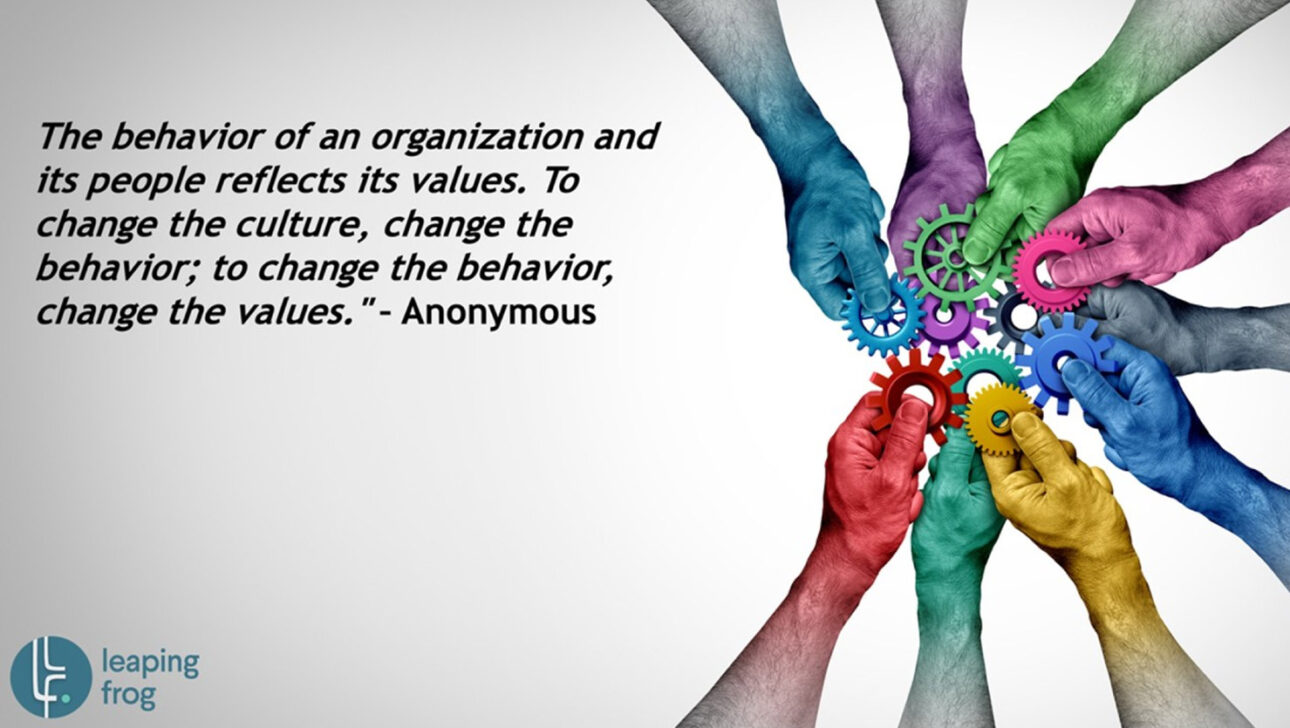
Like living beings constantly evolve, organizations are shaped by ever-changing marketplace landscapes. Shifting customer needs are forces driving organizational change and development. Just as we require nurturing, learning, and growth, an organization’s progress needs dedicated curation—a “holding space” that scaffolds its structure and strengthens its core. Among the many facets of organizational growth, the most
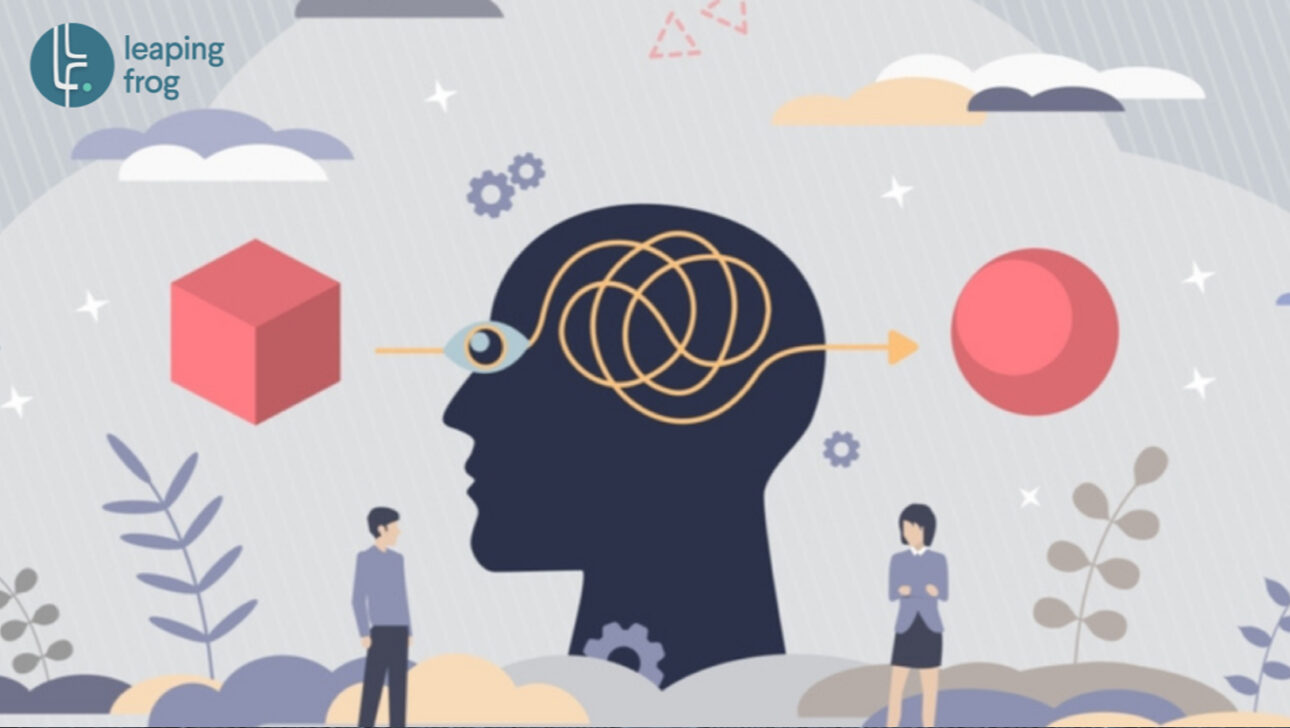
Imagine yourself in a cross-functional meeting. You’ve just presented a project proposal you’ve been working on for weeks. You’re halfway through explaining the roadmap when another team member asks some questions. A few others join in. There’s a brief discussion, and then the feedback comes in: “We think this needs more work — maybe take
Picture: https://shorturl.at/Z2imK The mind, particularly the subconscious, wields significant influence in shaping an individual’s reality through manifestation. This concept is rooted in the understanding that our subconscious mind, which largely governs our actions, is profoundly affected by the thoughts instilled by our conscious mind. Positive auto-suggestions breed positive thoughts and outcomes, while negative suggestions can
The idea that organizations have a “mind”—a psychological element that drives them—is a key theme in my series, “The Mind of the Organization”. Just as individuals are influenced by their beliefs, emotions, and thoughts, so too are organizations shaped by the collective mindset of their people. This psychological element creates a thriving, engaged, and productive
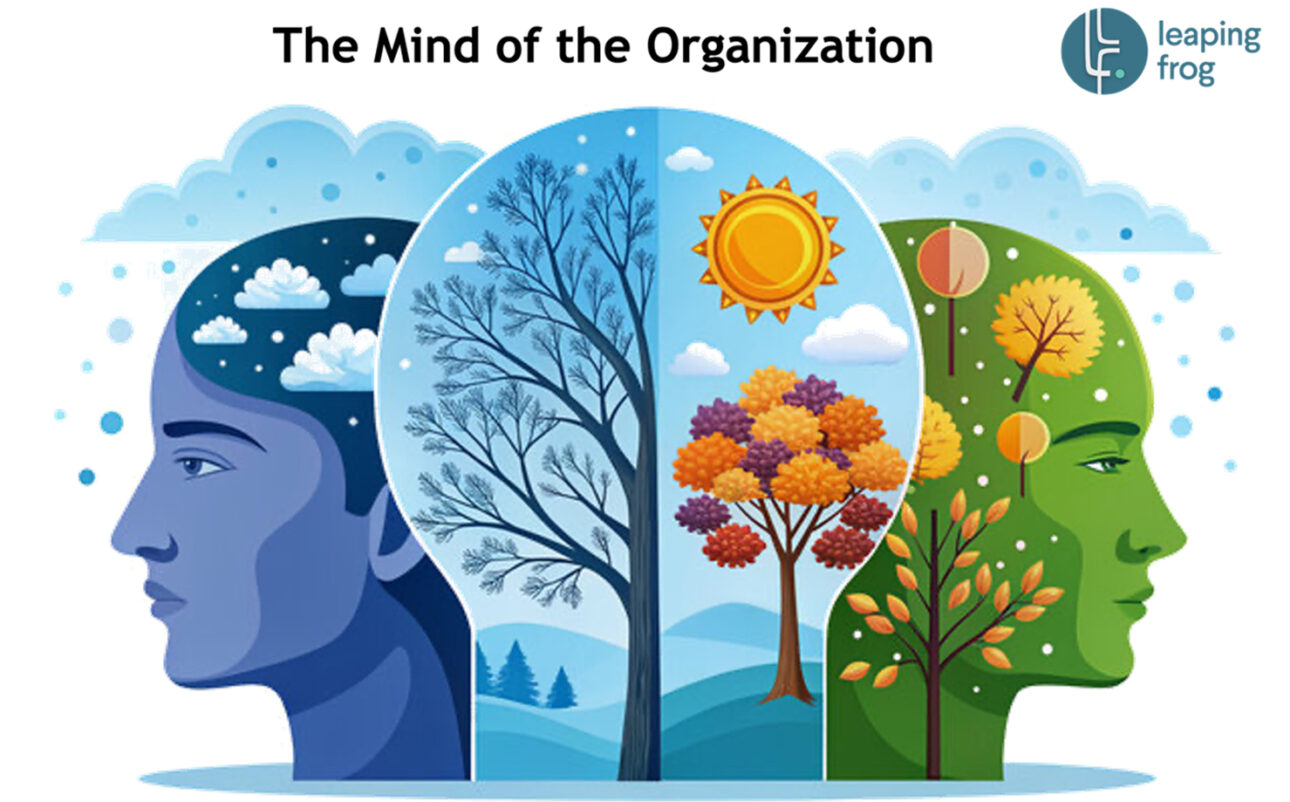
In psychology, Neurosis and Psychosis reveal two fundamental aspects of mental health: insight and awareness. Neurosis is characterized by the presence of “Insight” – an individual’s ability to recognize that something is wrong at the mental level —an awareness that prompts them to seek help and solutions. This insight reflects a functional mind that understands

Picture Credit: https://shorturl.at/gFKnq A living being comprises two fundamental elements: the structural and the functional units. The structural unit is the body, a marvel of organized complexity. It’s composed of various systems—the nervous, circulatory, and digestive systems—each functioning in perfect harmony to support life. This intricate structure is what we see, touch, and measure. But
© Leaping Frog Consulting Services | All rights reserved.